
5 Common Kitchen Flooring Problems
(And How to Avoid Costly Mistakes)
(And How to Avoid Costly Mistakes)
Why do kitchen floors fail so often, even when homeowners choose “durable” or “waterproof” materials?
And why do so many flooring problems only show up months or years after installation—when repairs are expensive and disruptive?
The kitchen is one of the toughest rooms in the home. Moisture, spills, heavy appliances, and constant foot traffic all take a toll on flooring. Choosing the right materials from the start can prevent many common problems, such as swelling, gaps, odors, and unstable floors.
At Floor Concepts, we’ve been installing kitchen flooring for over 40 years in Northern Delaware and the surrounding areas. In our experience, most flooring failures don’t happen because homeowners neglect their floors. They happen because kitchens place demands on flooring that many people aren’t warned about upfront.
In this article, you’ll learn the five most common kitchen flooring problems, what causes them, and how to avoid costly mistakes. You want to choose a kitchen floor that holds up to your real life.
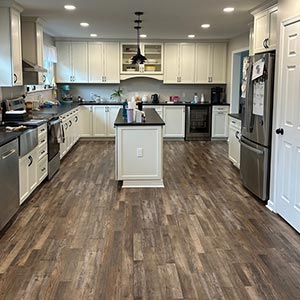
Kitchens deal with more moisture, movement, and daily wear than almost any other room in the house. Many flooring problems don’t happen all at once. They develop slowly beneath the surface and often go unnoticed until serious damage has already occurred.
Moisture is the biggest threat to kitchen flooring, and it’s something no kitchen can fully avoid. Dishwashers fail, refrigerator water lines leak, sinks drip, and spills happen during everyday use. When moisture works its way into flooring seams or beneath the surface, it can cause permanent damage. This is true even for floors labeled as “waterproof.”
Homeowners often notice water damage when planks begin to swell, flooring starts to lift, or areas feel soft underfoot. By the time these signs appear, moisture has usually been present for some time.
One of the most common misunderstandings we hear is that a waterproof floor can handle any amount of water. Waterproof flooring is built for everyday spills and cleaning, not long-term exposure from standing water, leaks, or moisture coming up from below the floor.
Manufacturer warranties reflect this difference. They typically cover short-term, surface moisture but exclude damage caused by flooding, standing water, or prolonged exposure. They also rarely cover damage to the subfloor beneath the flooring. This means that even with a waterproof floor, a major leak can still lead to repairs that aren’t covered.
Laminate flooring, traditional hardwood, and lower-quality vinyl products are especially vulnerable to moisture. Even with newer materials, water damage is usually prevented by quick cleanup, proper installation, and fixing leaks early.
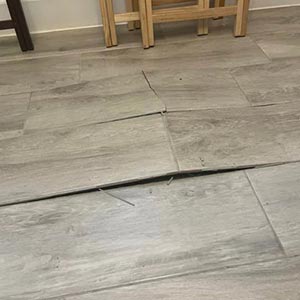
Many kitchen flooring problems start on installation day. Examples of day-one issues are gaps between planks, buckling floors, or boards that move and separate. When this happens, many homeowners blame the flooring product itself. However, improper installation is frequently the real cause. Skipping acclimation, not allowing room for expansion, ignoring moisture testing, or installing over an uneven subfloor can all lead to flooring problems. This is especially true in kitchens, where temperature changes and humidity put extra stress on flooring.
One of the most serious mistakes we see is cabinets installed on top of floating flooring. Products like laminate, LVT, and LVP are designed to expand and contract throughout the year. They need space to move.
When cabinets or other permanent fixtures are placed on top of floating floors, that movement is blocked. Over time, the flooring has nowhere to go, which often leads to buckling, gaps, or full flooring failure. In most cases, this also voids the manufacturer’s warranty.
Cabinets can be installed over permanent flooring such as tile or traditional hardwood. They should never be installed over floating floors. Unfortunately, many homeowners aren’t told this until after problems appear.
Kitchens see constant activity. Chairs are moved daily, pets track in grit, heavy appliances stay in place for years, and cookware gets dropped. Over time, this wear shows up on the floor.
Softer hardwoods like cherry, budget laminate, and vinyl floors with thin wear layers can show scratches and dents more quickly. Some materials are better at hiding wear than others, which is an important factor to consider in a busy kitchen.
Choosing the right flooring upfront can make a big difference in how your kitchen looks years down the road. Comment by Lori Kellogg: link to article Best Flooring for Your Kitchen...which is upcoming
Mold and mildew often develop beneath kitchen flooring, where they’re hidden from view. Water trapped under the floor can lead to mold, especially when leaks aren’t noticed right away.
Early warning signs may include musty odors, allergy symptoms, or discoloration near seams or edges. These issues are often mistaken for normal wear but can point to moisture problems below the floor.
We see this more often in kitchens because slow leaks, humidity, and poor ventilation allow liquid to linger. Controlling moisture is the most effective way to prevent mold growth. In Delaware, because we are close to many water sources, our mold and mildew risk is higher than other areas. Our humid summers slow evaporation and dry winters create gaps where moisture can later become trapped.
A kitchen floor is only as good as what’s underneath it. Subfloor problems are one of the most common—and overlooked—causes of flooring failure.
Uneven areas, water damage, or the wrong subfloor materials can weaken the flooring above. Homeowners may notice bouncy floors, persistent squeaks, cracked tile, or separating planks. Replacing the surface without fixing the subfloor almost always leads to repeated problems.
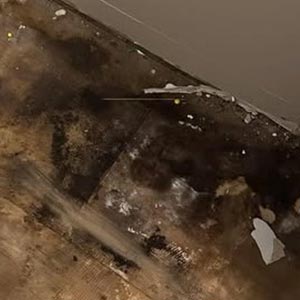
Just because a flooring product looks durable doesn’t mean it will perform well in a kitchen. Not all flooring is made to handle moisture, temperature changes, and daily wear.
When choosing LVT or LVP for a kitchen, the wear layer matters more than color or style. The wear layer is the clear protective coating on top of the floor that resists scratches and dents. For kitchens, we recommend a wear layer of at least 20 mil to handle daily use.
Hardwood, engineered hardwood, and many laminate floors are not waterproof and can be damaged by leaks or standing water. While these materials can work well in other parts of the home, they require extra care and realistic expectations when used in kitchens.
Before choosing kitchen flooring, consider how the space is used. Think about daily foot traffic, kids or pets, natural sunlight, and the type of subfloor underneath. These details play a big role in long-term performance.
Kitchen flooring installation is more complex than most homeowners realize. Proper installation means testing for moisture, inspecting the subfloor, and leaving space for the floor to move. Kitchen flooring takes specific skills that general contractors may not specialize in.
The difference comes down to experience and accountability. Here at Floor Concepts, most of our installers have been with us for over 20 years. In addition, we stand behind their work with a lifetime installation warranty. In a space as important as a kitchen, that peace of mind matters. Comment by Lori Kellogg: link to warranty page
Most kitchen flooring problems aren’t caused by bad products. They happen when small decisions are made without understanding how kitchens differ from other rooms. When those details are addressed early, issues like swelling, buckling, wear, and mold are often preventable.
Before you commit to a flooring product or installer, choose a kitchen floor based on how the space is used every day, not just how it looks in a showroom. Just as important, make sure it’s installed to handle those real-life conditions.
At Floor Concepts, we’ve helped homeowners throughout Northern Delaware avoid costly flooring failures for over 40 years. If you’re considering new kitchen flooring, request a kitchen flooring quote. We’ll assess your space, explain your options clearly, and help you choose a floor that will perform for years to come. Comment by Lori Kellogg: link to scheduling page
Floor Concepts
4315 Kirkwood Highway
Wilmington, DE 19808
(302) 279-5940
Thank you for contacting Carpet One Floor & Home. Your local flooring expert will reach out to you regarding your inquiry.